
Municipal electrical projects are critical to the smooth operation of city infrastructure, powering public facilities, transportation systems, water treatment plants, and emergency services. Managing these projects requires more than technical expertise—it demands a careful balance of safety, regulatory compliance, and operational efficiency. Successfully addressing all three factors ensures projects are delivered reliably, on time, and within budget.
Prioritizing Safety in Every Phase
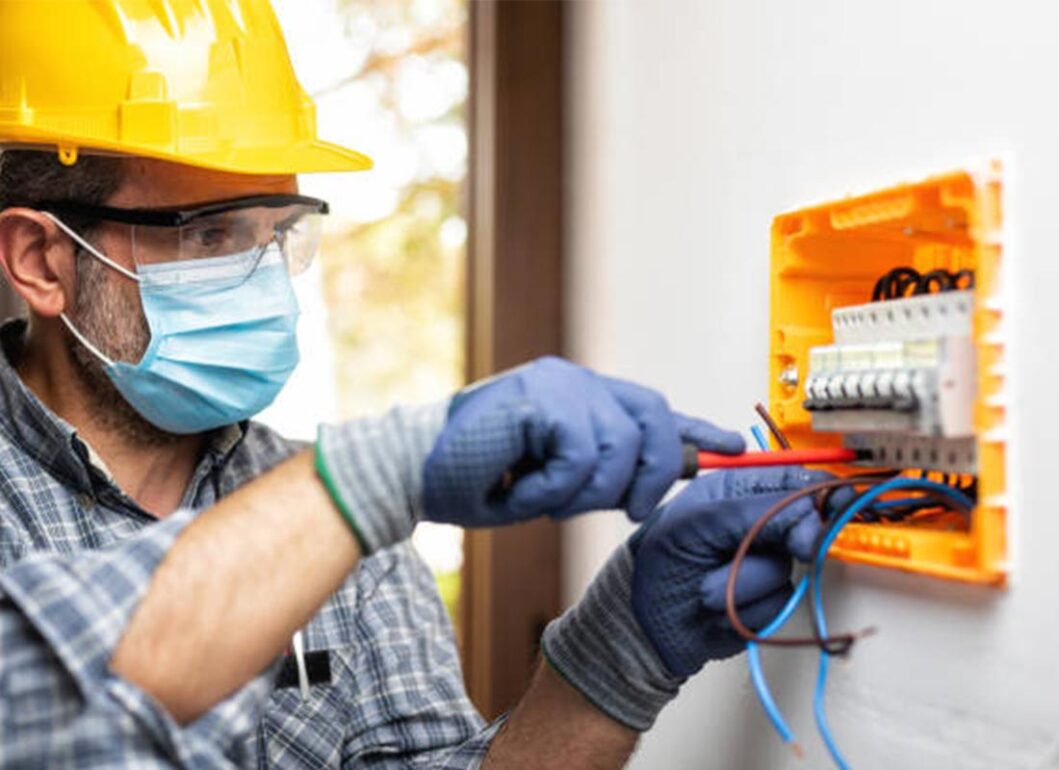
Safety is the foundation of any municipal electrical project. High-voltage systems, complex wiring, and large-scale installations pose inherent risks to workers and the public. Contractors must implement strict safety protocols, including proper personal protective equipment (PPE), lockout/tagout procedures, and hazard assessments. Regular safety training for all personnel helps prevent accidents and ensures that team members are prepared to respond to emergencies. By embedding safety into every phase of the project—from planning to execution—municipal electrical contractors protect both personnel and the community.
Ensuring Regulatory Compliance
Municipal projects must adhere to a wide range of regulations, including local building codes, electrical codes, environmental standards, and occupational safety laws. Compliance is not optional; it is critical for legal accountability, project approval, and long-term operational reliability. Contractors must stay current with evolving regulations and maintain thorough documentation of inspections, testing, and approvals. By integrating compliance measures into project workflows, contractors prevent delays, avoid penalties, and deliver systems that meet public sector standards.
Maintaining Efficiency Without Compromising Quality
Efficiency is essential in municipal projects, where budgets are limited and timelines are often tight. Effective project management practices—including detailed scheduling, resource planning, and coordination with stakeholders—help teams work efficiently while maintaining high standards of quality. Utilizing advanced technologies such as SCADA systems, smart monitoring tools, and automated controls can streamline operations, reduce downtime, and allow for faster issue resolution. Efficiency ensures that municipal projects are completed on schedule and deliver maximum value to taxpayers.
Integrating Safety, Compliance, and Efficiency
The most successful municipal electrical projects strike a balance between safety, compliance, and efficiency. By developing structured project plans, implementing rigorous safety protocols, leveraging technology, and continuously monitoring performance, contractors can meet all three objectives simultaneously. This integrated approach reduces risk, enhances project outcomes, and ensures that municipal electrical systems function reliably for years to come.
Conclusion
Municipal electrical projects demand careful planning and execution to meet public needs safely and effectively. By prioritizing safety, ensuring regulatory compliance, and maintaining operational efficiency, contractors deliver high-quality solutions that support critical city infrastructure. Balancing these priorities not only protects workers and the public but also strengthens the reliability and resilience of municipal systems.
About the Author
