
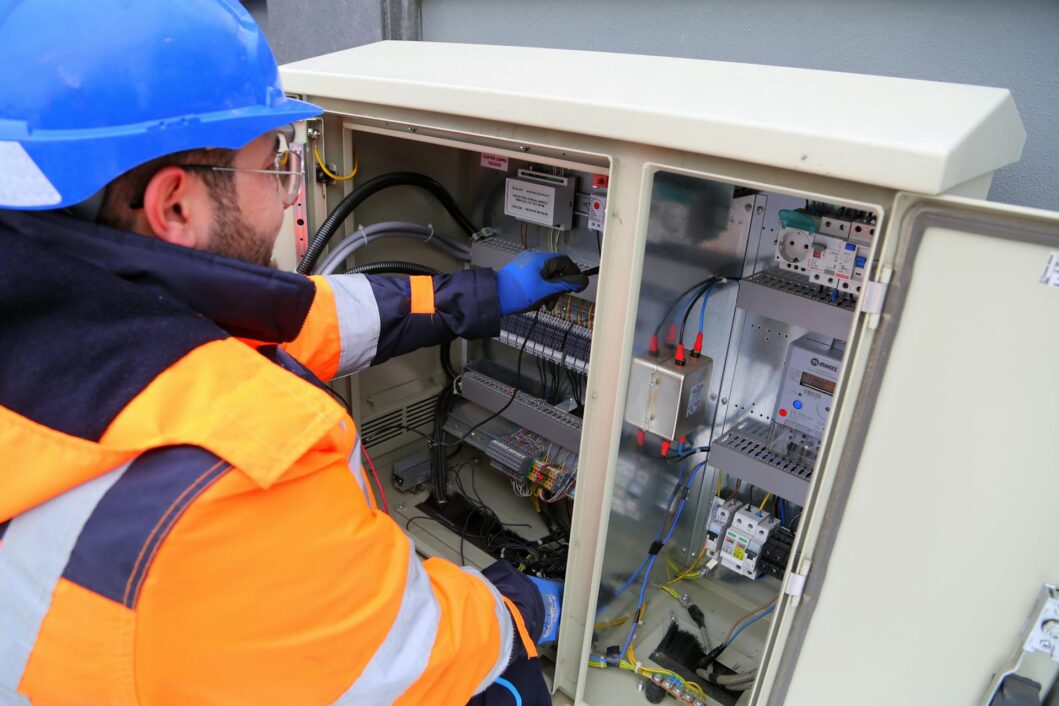
The Complexity of Urban Electrical Systems
Urban infrastructure projects present unique challenges due to their scale, density, and the critical role they play in daily life. Electrical systems in cities must support transportation networks, commercial buildings, residential areas, and public services—all while operating continuously. Managing such projects requires careful coordination, advanced technical knowledge, and a deep understanding of how interconnected systems function within a high-demand environment.
Planning and Coordination at the Core
Successful execution begins with detailed planning and coordination. Urban projects often involve multiple stakeholders, including government agencies, contractors, engineers, and utility providers. Clear communication and well-defined timelines are essential to ensure that all parties remain aligned. Project managers must also account for regulatory requirements, permitting processes, and safety standards, which are often more stringent in densely populated areas. Effective planning minimizes disruptions to existing infrastructure and ensures smooth project progression.
Integrating Advanced Technologies
Modern urban electrical projects increasingly rely on advanced technologies to enhance efficiency and reliability. Systems such as fiber optic communication networks, Supervisory Control and Data Acquisition (SCADA), and smart grid solutions play a vital role in monitoring and controlling electrical operations. Integrating these technologies requires specialized expertise, as well as the ability to design systems that can adapt to future demands. Proper integration not only improves performance but also supports long-term scalability.
Ensuring Safety and Compliance
Safety is a top priority in any electrical project, particularly in urban environments where risks can impact large populations. Strict adherence to safety protocols, industry standards, and local regulations is essential. This includes implementing protective systems such as grounding, surge protection, and fire alarms, as well as conducting regular inspections and risk assessments. Maintaining compliance not only protects workers and the public but also ensures the long-term reliability of the infrastructure.
Managing Challenges in Active Environments
Urban projects are often carried out in active, high-traffic environments where disruptions must be minimized. Working around existing infrastructure, maintaining service continuity, and managing logistical constraints require flexibility and problem-solving skills. Project teams must be prepared to adapt quickly to unforeseen challenges, such as changes in site conditions or unexpected technical issues, while keeping projects on schedule and within budget.
Conclusion: Delivering Reliable Urban Infrastructure
Managing complex electrical projects in urban settings demands a combination of technical expertise, strategic planning, and strong leadership. By focusing on coordination, innovation, safety, and adaptability, professionals can successfully deliver infrastructure that supports the growing needs of modern cities while ensuring reliability and efficiency for years to come.
About the Author
